
The UK construction sector is no stranger to skills shortages, but one specialist trade is facing a particularly acute and largely overlooked crisis. Wall and floor tiling, a discipline that demands precision, technical knowledge and experience, has seen its workforce shrink dramatically at the very moment demand is accelerating.
Industry figures suggest there are now around 38,000 registered tilers working across the UK, down by approximately 30% since 2010. With an ageing workforce approaching retirement and fewer young people entering the trade, the gap between supply and demand continues to widen, raising serious questions about the long-term sustainability of the sector.
Despite being fundamental to residential, commercial and refurbishment projects, tiling has slipped down the career ladder in construction education. College enrolments are falling, and some providers have reported they were close to cancelling tiling courses altogether due to low uptake, while other trades remained oversubscribed. The result is a shrinking pipeline of trained professionals at a time when standards, materials and client expectations are higher than ever.
As Sam Bucknall, Director at Pro Tiler Tools, explains: “We’re seeing a serious disconnect between demand and supply in the tiling trade. The number of skilled tilers isn’t keeping pace with the industry. That’s why we feel a responsibility to support apprenticeship pathways and inspire the next generation of tilers. Our college collaboration is about investing in people and equipping them with the skills, tools, and confidence they need to build lasting careers.”
Bucknall’s comments highlight a broader issue within construction: tiling is increasingly overshadowed by higher-profile trades such as plumbing and electrical installation, despite offering strong earning potential, long-term job security and viable routes into self-employment. For many young people, it is simply not being presented as a career option at all.
John Shaw, Head of Learning & Development at Topps Group, believes that lack of visibility is placing the trade at real risk. “Tiling is one of the most technically demanding finishing trades in construction, yet it’s one of the least promoted to young people. We’re seeing fewer learners coming through at the same time as older tilers retire and that gap is widening every year. Many Colleges have told us they were close to cancelling tiling courses altogether due to low uptake, while bricklaying and electrical courses were oversubscribed and that was a real wake-up call. A good tiler will never be out of work but if young people never hear about tiling as a career option, the industry simply can’t replace the skilled workers we’re losing.”
The concern is not simply about numbers. Modern tiling requires specialist training, familiarity with advanced adhesives, surface preparation, large-format tiles and increasingly complex installation systems. Industry leaders warn that the days of learning these skills informally on site are gone, making structured training more critical than ever.
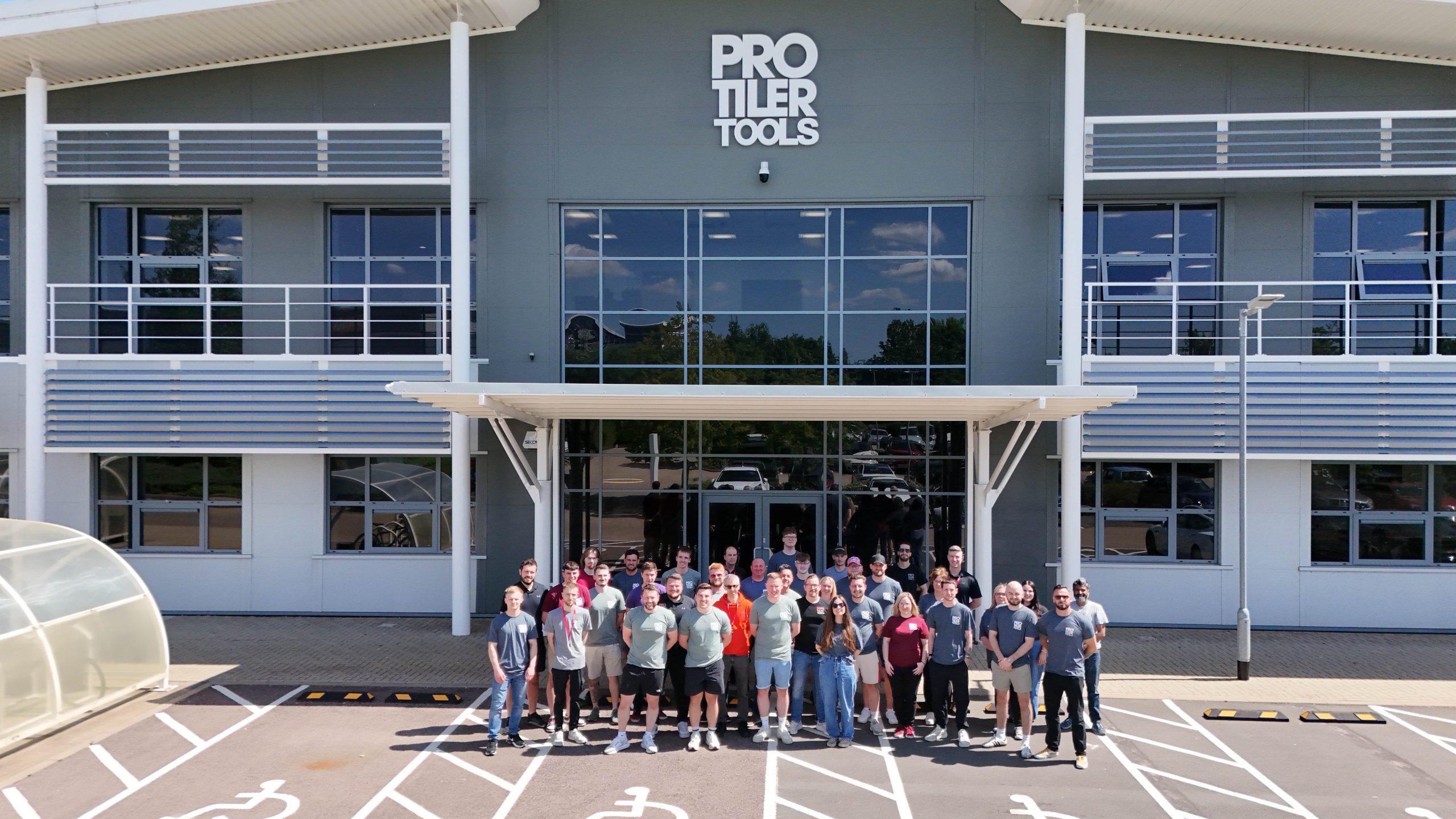
Against this backdrop, a new collaboration between Pro Tiler Tools, part of Topps Group and Leeds College of Building and South and City College Birmingham is offering a practical example of how industry and education can work together to address the issue.
Through the partnership, Pro Tiler Tools is supporting colleges with tools, materials and curriculum input, while also using its industry reach to encourage more employers to take on apprentices. Crucially, the business is reinvesting a significant proportion of its apprenticeship levy back into the sector, helping reduce financial barriers for smaller firms.
The results suggest that targeted intervention can make a difference. Apprentice numbers at the partner colleges have increased by nearly 80% year-on-year, with growing intakes in both Leeds and Birmingham. A January intake previously unheard of for tiling is now under consideration, reflecting renewed interest in the trade.
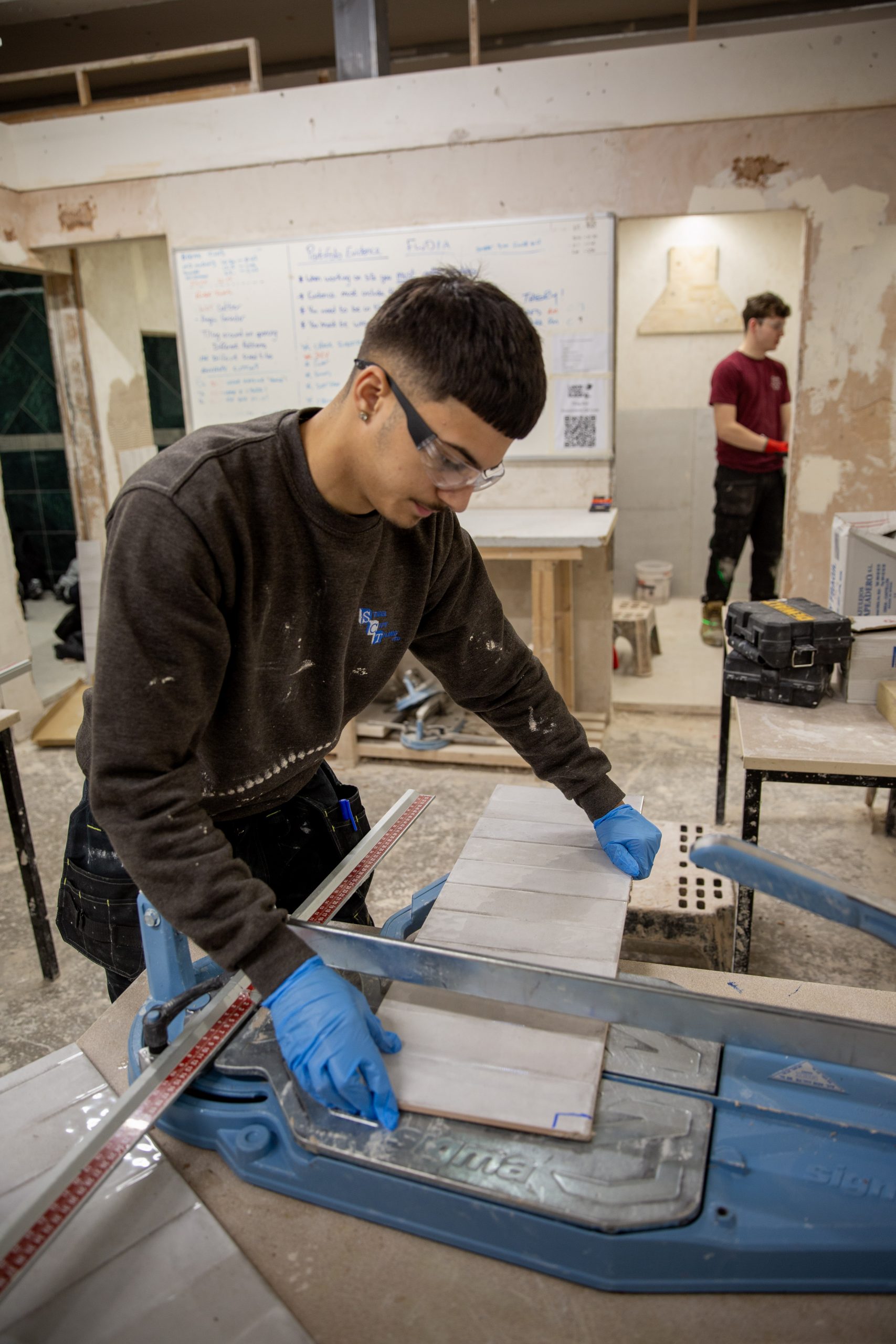
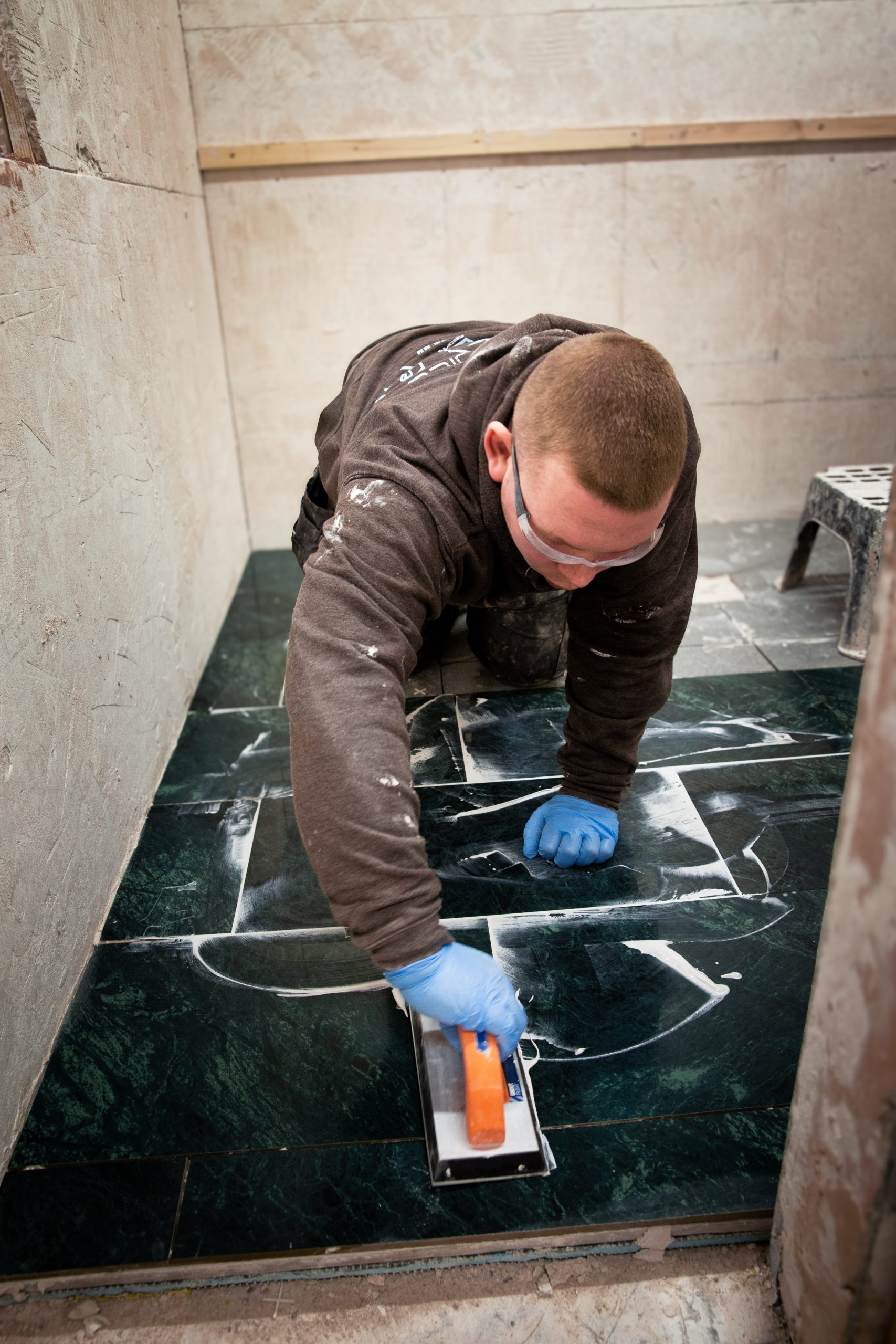
From an education perspective, the value of employer engagement is clear. Alan Heard, Wall & Floor Tiling Lecturer at Leeds College of Building, says: “The partnership between the Topps group and Leeds College of Building is a great example of industry and training providers working together to address the national skills shortage. The support from Pro Tiler Tools has been very strong, from tile tool donations enabling us to create more challenging workshop projects for apprentices, to raising awareness amongst employers. We’re hoping to increase the size of apprentice provision and we’re expecting the ongoing support and awareness raising activities should have a positive effect.”
The apprenticeship itself is a two-year Level 2 Wall & Floor Tiling programme, combining block-release college learning with on-site experience. Apprentices earn while they train and can progress into self-employment or specialist roles once qualified – a model increasingly recognised as essential to rebuilding specialist skills.
From an employer’s point of view, the process is also becoming more accessible. Rob Smith, Head of Partnership and Skills at Leeds College of Building, notes: “From an employers’ point of view, it has never been easier to take on an apprentice. Full support is provided by the college who guide employers through the onboarding process, ensuring all funding is in place, incentive payments are made available, and employers are supported to obtain any available grant funding. The government also pay 100% of the course costs and remove employer’s National Insurance contributions for their apprentice.”
With construction demand continuing to grow across housing, renovation and commercial sectors, the tiling industry is urging careers advisers, schools and policymakers to broaden how vocational routes are presented. The lesson is a familiar one: skills shortages will not resolve themselves without collaboration, investment and advocacy.
To find out more about the new apprenticeship initiative, or to register your interest in taking on your own apprentice visit www.protilertools.co.uk/apprenticeships or call 01604 859800.