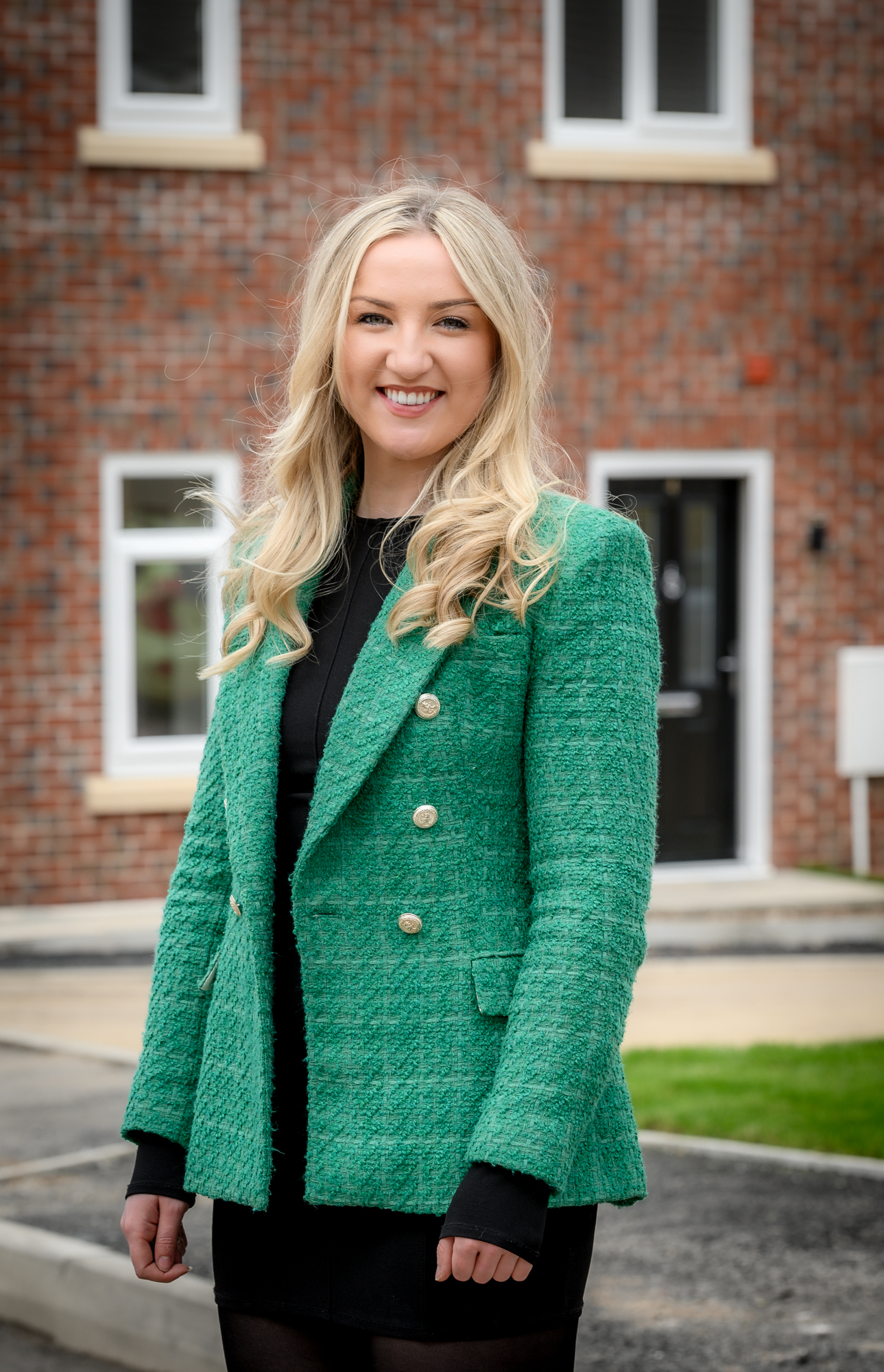
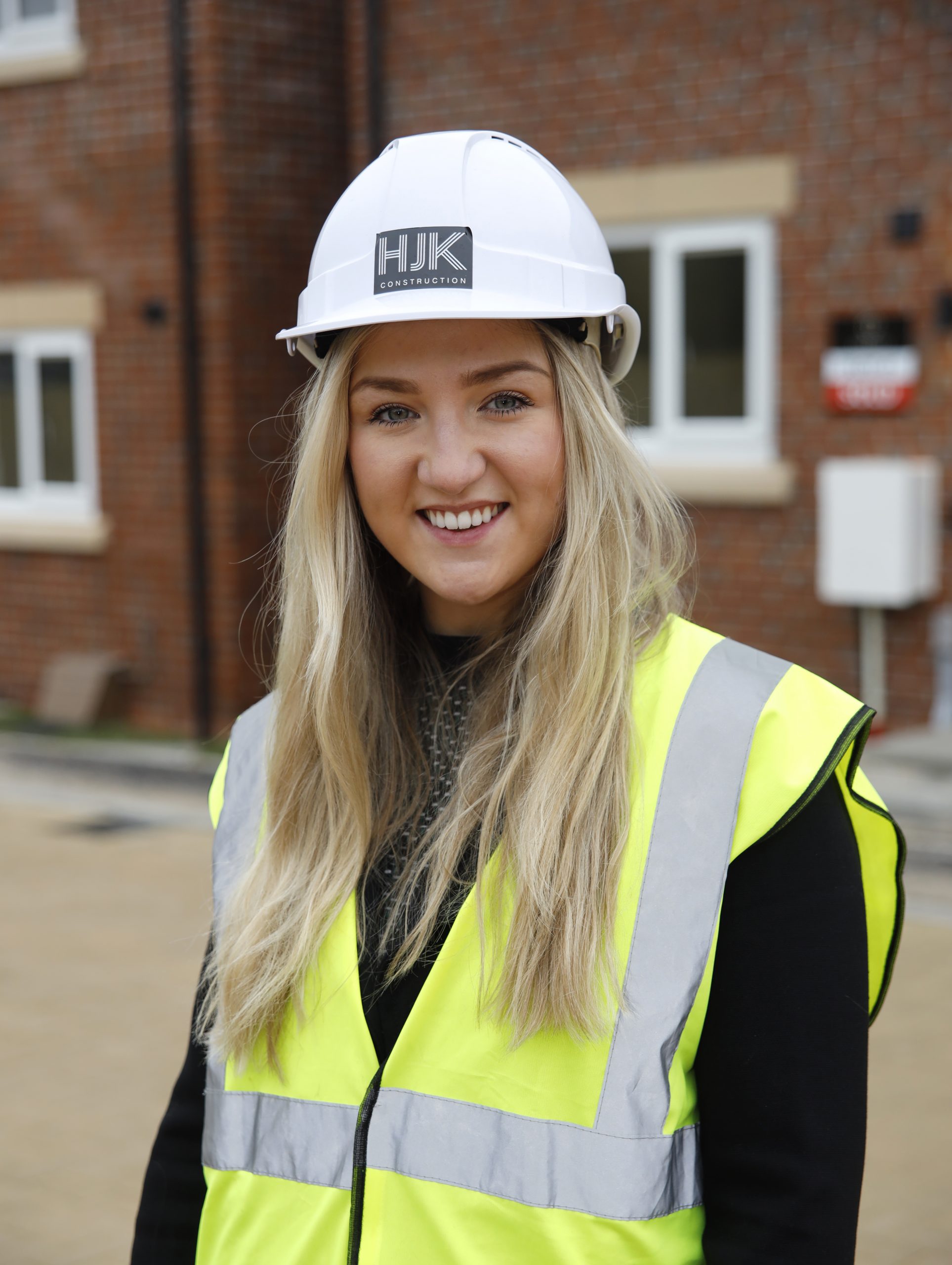
By Elli Kiely, Creative Director, Spirit Homes
Since I can remember, construction has been a constant presence in my life. My family ran its own construction business, so I often found myself on building sites, surrounded by materials, machinery, and the everyday activities involved in creating homes and developments. It felt like second nature to me. However, as I got older and began considering my career options in school, I realised that even with my background in the industry, something was lacking. I rarely saw women in this field.
Not on supplier brochures, not on-site. Not wearing hard hats and high-vis gear, and not in leadership roles. I didn’t come across any images or examples that indicated a career in this field was feasible for me. Therefore, like many young girls, I unknowingly believed it wasn’t a possibility. That, in my opinion, remains one of the biggest barriers preventing women from entering construction and property today: a lack of visibility and representation.
When young girls lack visibility of women in construction and property roles, be it in trades, project management, design, surveying, or leadership, it sends the message that these fields are meant for men. This idea isn’t always explicitly voiced, but it is internalised through observations and the lack of female role models.
Additionally, there are still widespread misconceptions about what construction work entails. Many people picture heavy lifting, harsh conditions and purely physical labour. While those roles absolutely exist, construction is also full of opportunities that require creativity, problem-solving, communication, technical knowledge and leadership. From design and innovation to planning, sales, marketing, health and safety, and business ownership, the sector is highly diverse and offers many roles for women and men. Yet too often, that reality isn’t communicated clearly to young girls about their options and how, in this sector, their careers could thrive.
Another major barrier is site culture and inclusivity. Some women worry about how they’ll be treated, whether they’ll be taken seriously, or whether they’ll have the facilities and support needed to thrive. Without an inclusive environment, the industry can feel intimidating and unwelcoming. Even today, stories of women feeling isolated or overlooked can discourage others from taking that first step.
The data highlights the amount of work we still need to do to help women in the field. According to reports from the Office for National Statistics (ONS) and the Construction Industry Training Board (CITB), women made up roughly 15% of the UK’s total construction workforce in 2025, totalling around 340,000 female employees. This includes roles in areas such as design, management, administration, surveying, architecture, and engineering. Nevertheless, women represent only about 1% of the manual labour force on construction sites.
So what needs to change?
From my experience, early exposure and education are the key ingredients. Women in these roles need to be in schools, highlighting the diverse career options available in the industry. Representation is crucial not only in brochures and at career fairs but also in media campaigns and, most importantly, in the workplace. When young girls see women performing these roles, it validates their potential and makes these careers seem something which they can be a part of and do well in.
Companies also need to actively create inclusive cultures. That means investing in training, mentorship and clear progression pathways, and providing proper facilities for all workers. It means having leadership teams that don’t just talk about diversity but also prioritise it and lead by example.
Flexible work arrangements can greatly impact individuals, especially those planning to start a family or managing a hectic family schedule. The construction industry doesn’t need to be inflexible to achieve success. By embracing innovative work methods, companies can expand their talent pool and foster environments where more individuals can thrive.
My personal path into the industry was fuelled by my passion. Growing up in a family involved in construction made me interested from a young age. I have always wanted to be involved in building and contributing to projects that enhance communities, and I have always enjoyed working in a dynamic and fast-paced environment. There is something hugely satisfying in witnessing a project coming to life and knowing that you had a role in creating homes for others. Despite this background, I often wondered if I would be welcomed or succeed in the field, especially since I didn’t see many women participating in it.
I overcame that by leaning into my passion and proving myself through hard work. I surrounded myself with supportive people, soaked up as much information as possible, and focused on gaining knowledge and confidence. Over time, I learned to trust my voice and my expertise. I also made it a mission to be visible, to wear that hard hat and high-vis and stand out on the building site, because representation doesn’t just help the individual; it helps the next generation. If a young girl sees me and thinks, “She looks like me, maybe I could do that too,” then that visibility has real power.
I always want to push this sector and how great it can be for young women to get into. So much so that I am proud to have been appointed a Might Nine Mentor with the ‘I Am a Housebuilder’ campaign, a national initiative launched by the All-Party Parliamentary Group (APPG) for SME Housebuilders, which aims to break down barriers for women in construction and increase female representation in SME housebuilding businesses.
Across the companies I work for, Spirit Homes and our sister company HJK Construction, we are committed to helping make the industry more accessible to women. By increasing visibility, providing mentorship and improving recruitment strategies, we can ensure that housebuilding becomes a more inclusive and thriving sector. Unlocking the potential of fantastic female talent isn’t just the right thing to do, it’s essential to driving innovation, improving productivity and boosting housing supply.
This International Women’s Day, I want to highlight how women have always had a place in construction and property, and how we need more women in the industry. We all need to work together to enhance visibility, inclusivity, and support for women within the industry for future generations. When women are involved in building, communities thrive, businesses innovate, and the future of our field becomes more inclusive and accessible.