

Construction sites present attractive targets both to opportunistic offenders and organised criminal gangs (OCGs). This has always been true but is particularly the case now, following the sharp rise in the price of copper and other materials.
What was once viewed as sporadic site and vehicle theft has evolved into a crimewave that is premeditated, targeted, and persistent. OCGs will always seek out the lowest risk, highest reward option. And construction crime, even related to critical national infrastructure, sadly doesn’t carry the same penalties as dealing Class A drugs, for example.
The numbers underline the scale of the challenge. OCGs are offending on a daily basis and the cost to the UK industry can easily reach as high as £100k per incident when material replacement, project delays, and rising insurance premiums are taken into account.
The impact on individual tradespeople is also stark. In 2024, 25,525 tool thefts were reported across the UK – losses estimated at around £40 million. Nearly four in five tradespeople say they have experienced tool theft, and since 2023, reported tool and equipment theft has risen by 71%, with the steepest increases recorded in the West Midlands, North Yorkshire, and South Wales.
Behind those figures are real projects, real delays and real people unable to work.
Why construction sites attract attention
Construction sites, by their nature, bring together concentrated value. High-specification tools, generators, copper cabling, small plant and vehicles are often stored within temporary compounds, cabins, or containers. Unlike permanent facilities, site perimeters are designed to be flexible. Access points shift as works progress. Storage areas move to accommodate new phases. Lighting and surveillance can vary from one section of the site to another.
That constant evolution creates gaps.
Large projects add another layer of complexity. Multiple subcontractors, agency staff and delivery drivers move in and out daily. With so much legitimate activity, it becomes easier for someone to observe routines without raising suspicion. Daytime reconnaissance – sometimes carried out by individuals wearing high-visibility clothing or arriving in liveried vans – remains a common precursor to out-of-hours theft.
Storage compounds are a frequent focus. Copper cabling, power tools, and compact plant can be removed quickly if perimeter weaknesses are identified. In some cases, fencing is cut at unmonitored points. In others, vehicles are positioned to allow rapid loading and departure. The coordination seen in many incidents suggests preparation rather than opportunism.
Vans are equally vulnerable. Tools left overnight – even briefly – can disappear within minutes. For tradespeople, that means delays, loss of earnings, and in many cases, can have a particularly detrimental impact to mental health.
Patterns that repeat
Although theft can occur at any stage of a project, certain patterns are hard to ignore. Incidents tend to rise during the winter months. Longer nights offer cover, and sites may be left unattended for extended periods over holiday shutdowns.
When a site appears inactive, the risk increases. Offenders who believe detection is unlikely may return more than once, escalating losses. The impact is rarely limited to the direct value of stolen goods; projects stall while replacements are sourced. Schedules tighten. Insurance excesses and increased premiums add further pressure.
For smaller contractors operating on tight margins, the consequences can be disproportionate. A van emptied of tools is not just an inconvenience – it can mean days without income.
Moving from reaction to prevention
Given the low recovery rate for stolen tools, the focus must shift to risk mitigation and proven crime prevention strategies. The emphasis should be on methods and solutions whose deterrent value has already been proven over many years.
That starts with understanding risk at site level. Reviewing previous incidents, assessing local crime trends, and identifying where perimeter or access controls may be weakest allows managers to prioritise resources effectively. Security cannot be static on a dynamic construction site: it needs to evolve alongside the build.
Practical fundamentals still matter. Secure fencing, consistent lighting, controlled vehicle access and robust storage arrangements remain the backbone of site protection. Clear shutdown procedures – particularly during holiday periods and weekends – reduce ambiguity around responsibility and oversight.
Equally important is culture. Workers who feel confident challenging unfamiliar individuals and reporting suspicious vehicles contribute directly to deterrence. Theft often begins with observation. Interrupting that early stage can prevent escalation.
Visible deterrents also influence decision-making. Forensic marking technologies such as SmartWater, which enable tools and equipment to be uniquely coded and traced, have been shown to alter offender behaviour. An independent study led by Professor Martin Gill established 74% of criminals will avoid sites where SmartWater signage is displayed.
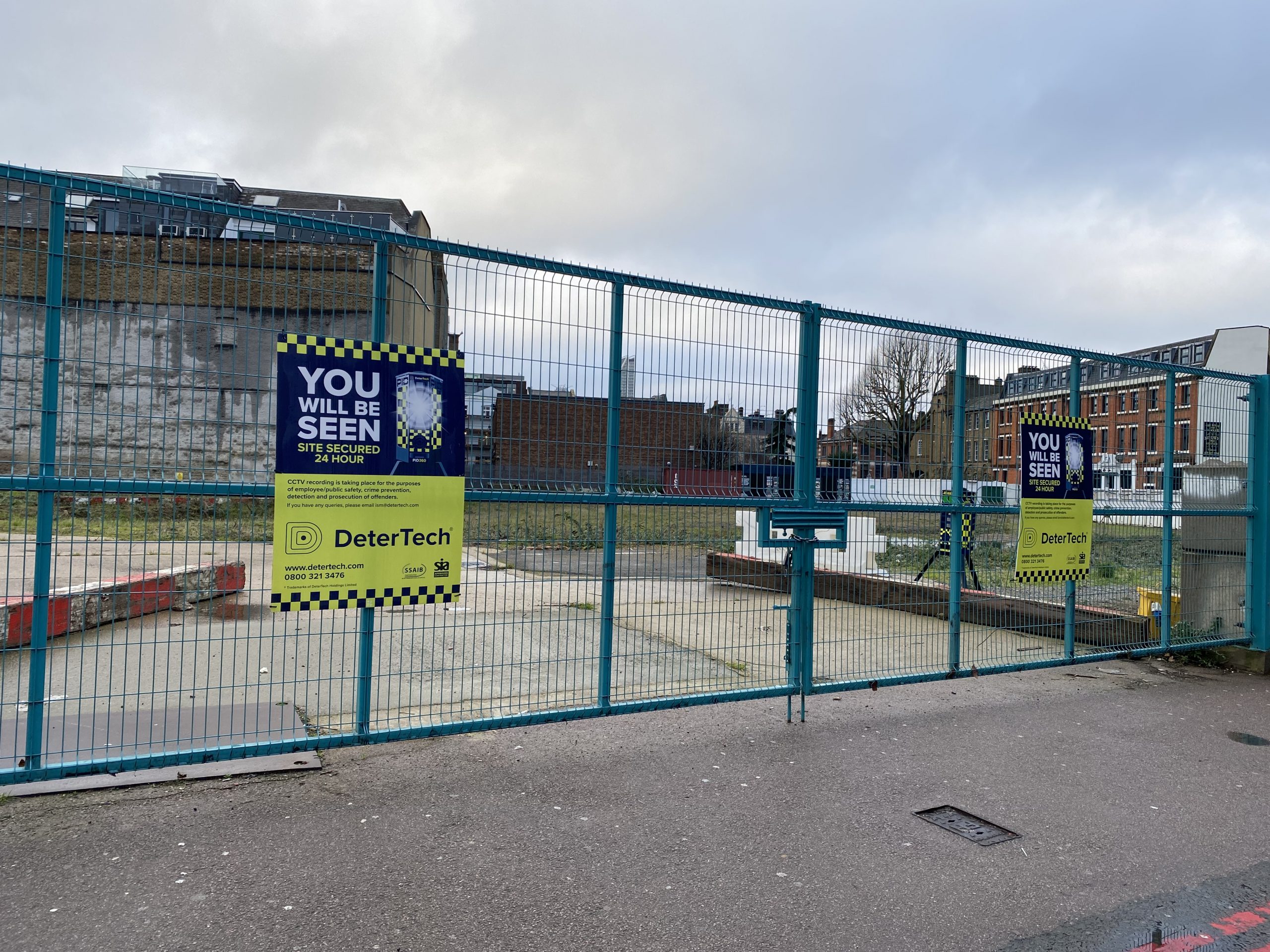
Research indicates that clear signage highlighting the presence of such systems acts as a strong deterrent to criminals. The perception of increased risk can be as powerful as physical barriers.
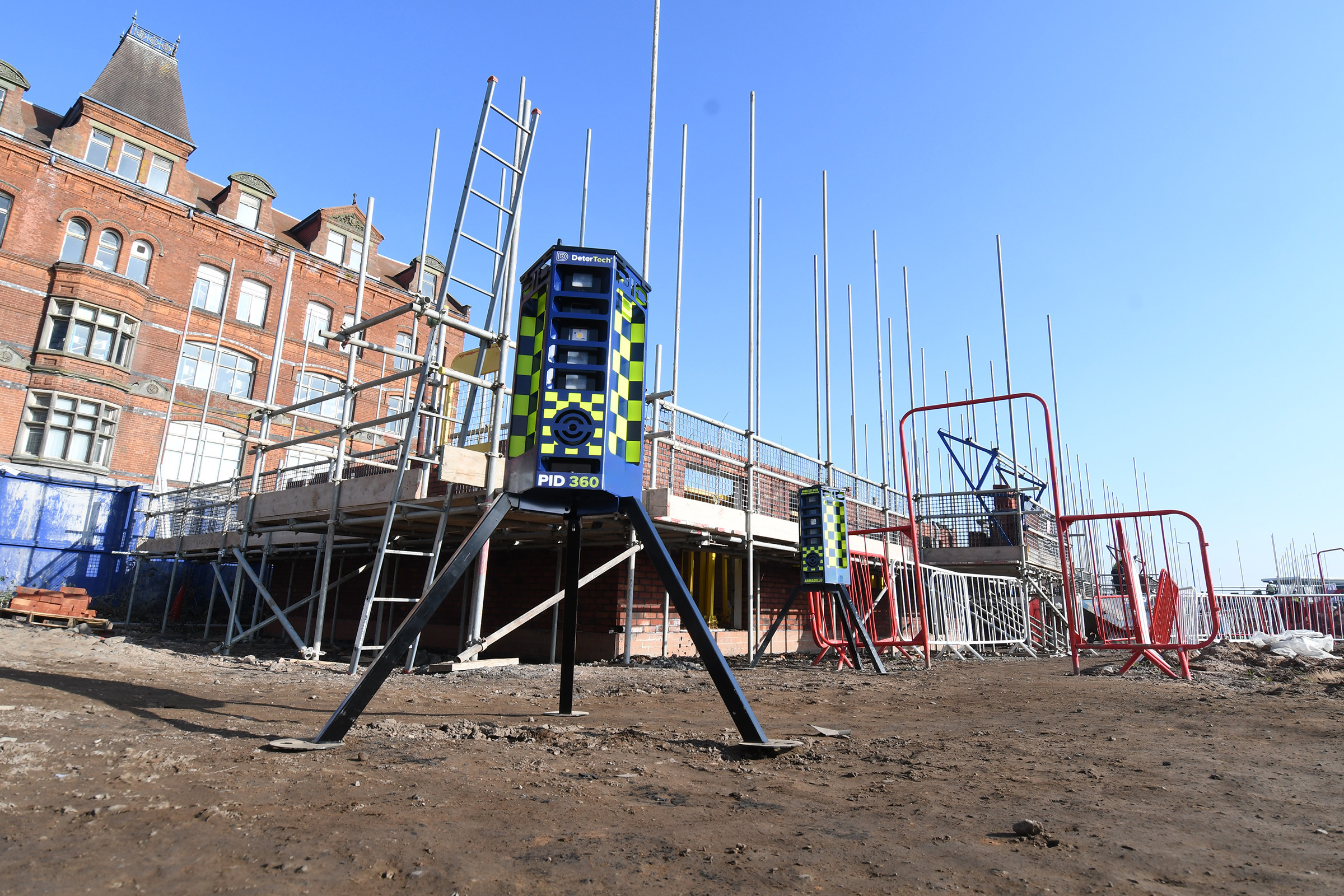
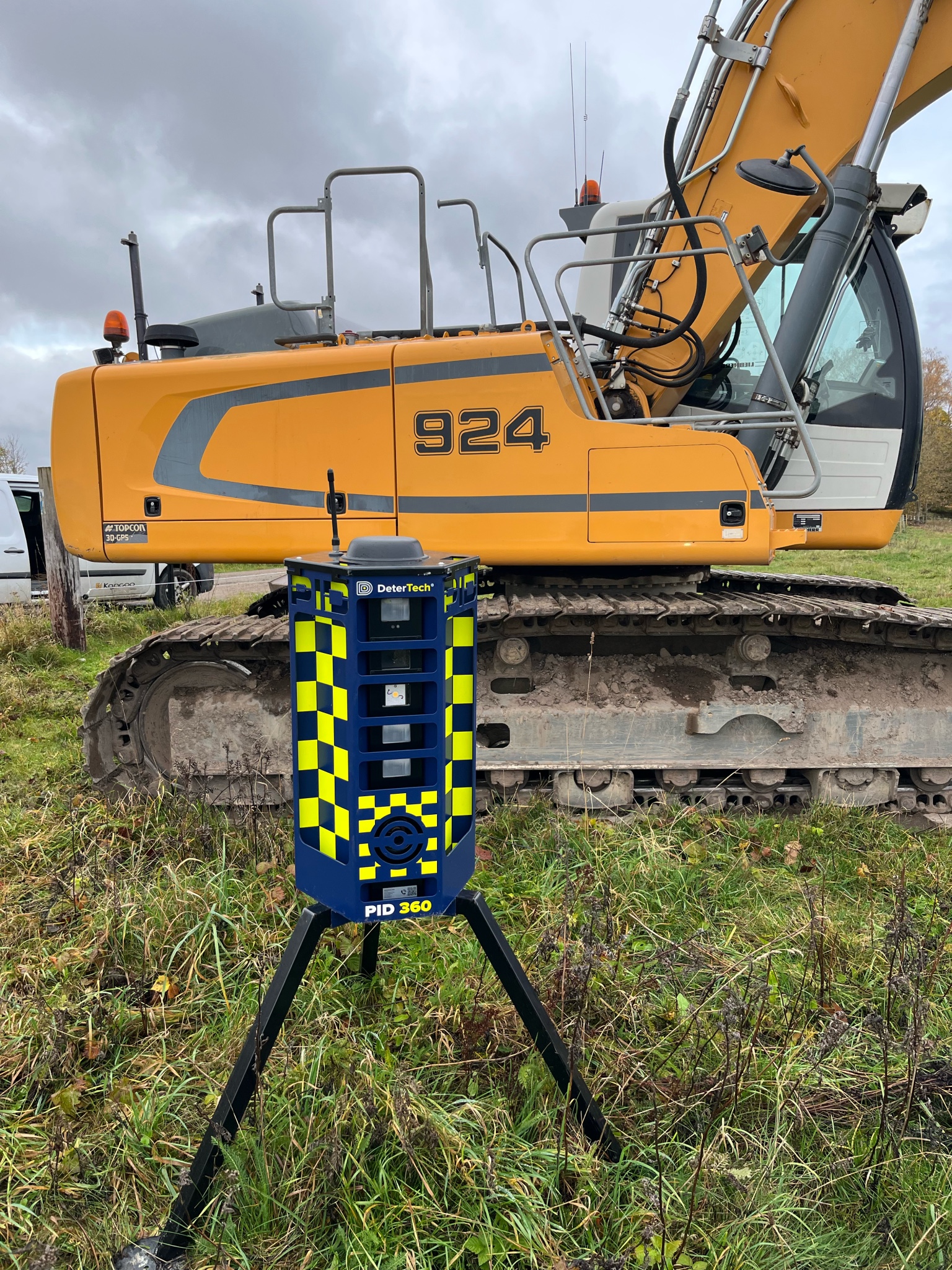
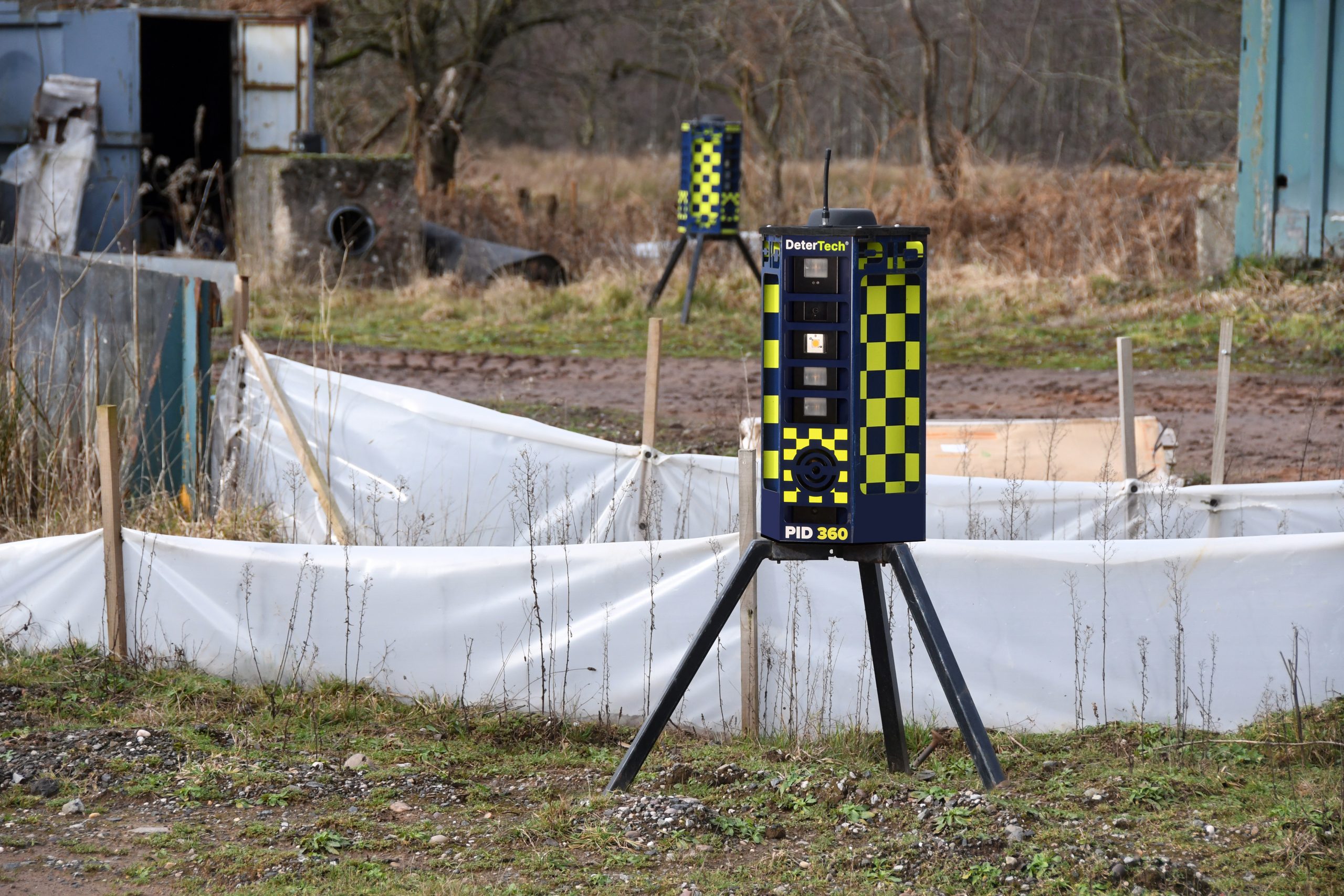
Another important consideration is monitored surveillance. During construction phase, CCTV is often non-existent or, where present, might not adequately cover the right areas as the site evolves. This is where temporary to semi-permanent visually verified surveillance solutions come into their own.
Construction will always involve movement, materials, and valuable equipment: that cannot change. What can change is how predictable and accessible those assets appear to someone assessing a site from the outside.
The evidence suggests theft is becoming more organised, not less. For contractors, developers and site managers, the question is no longer whether prevention is necessary, but how early it is built into project planning. Proactive security is not simply about protecting tools, it is about protecting timelines, reputations, and livelihoods.

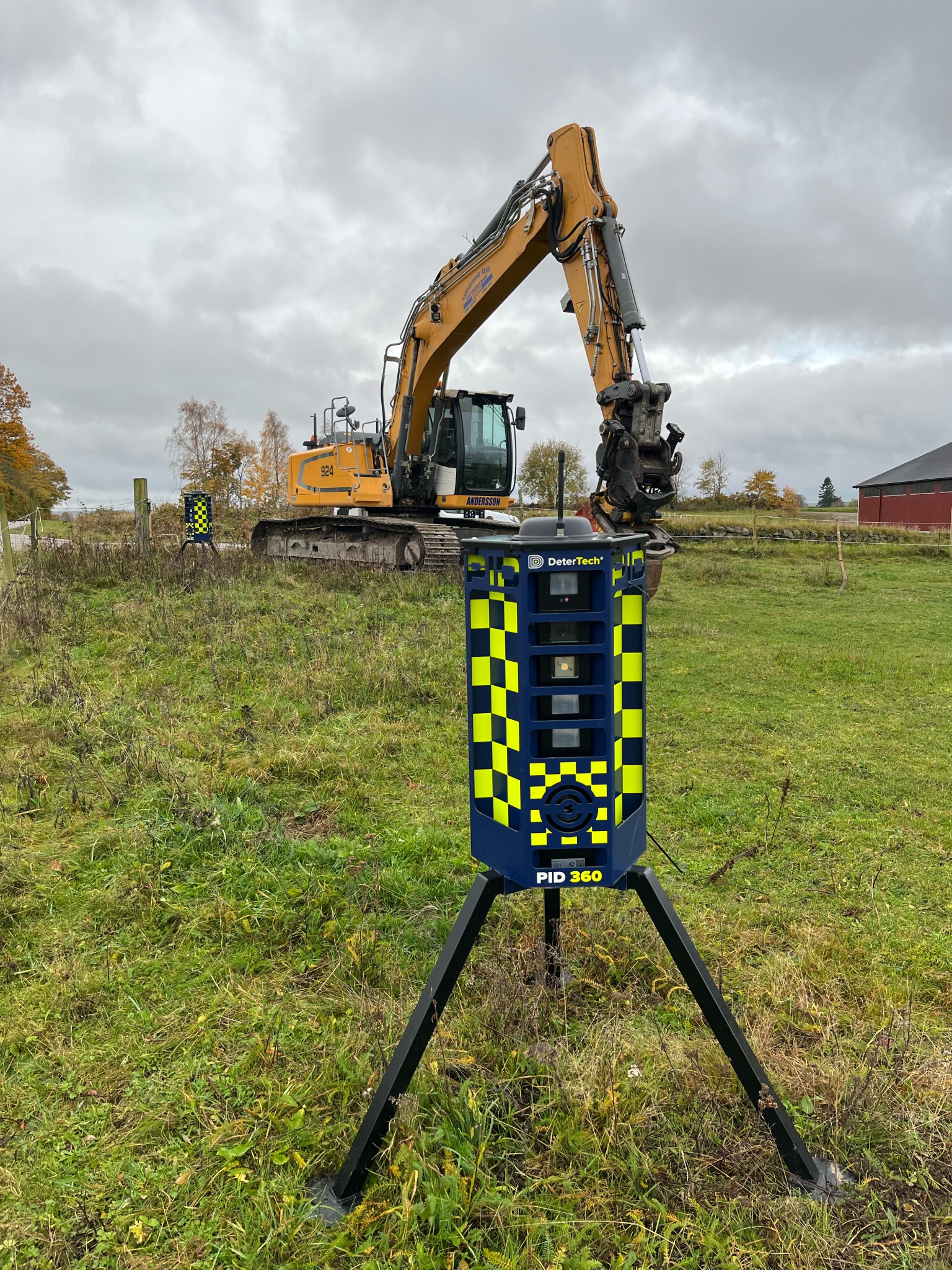
To find out more about construction crime trends and solutions from DeterTech’s crime intelligence unit, please visit: www.DeterTech.com
View more latest news and articles here.